Constant Velocity Particle Model Review Sheet
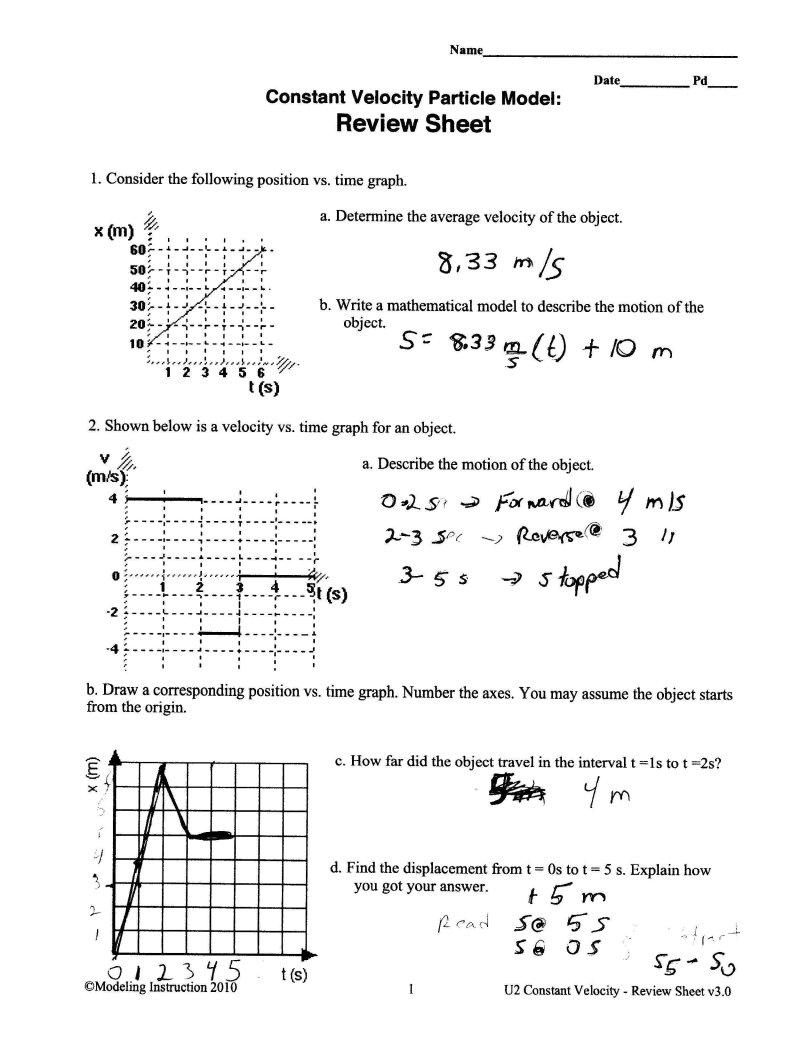
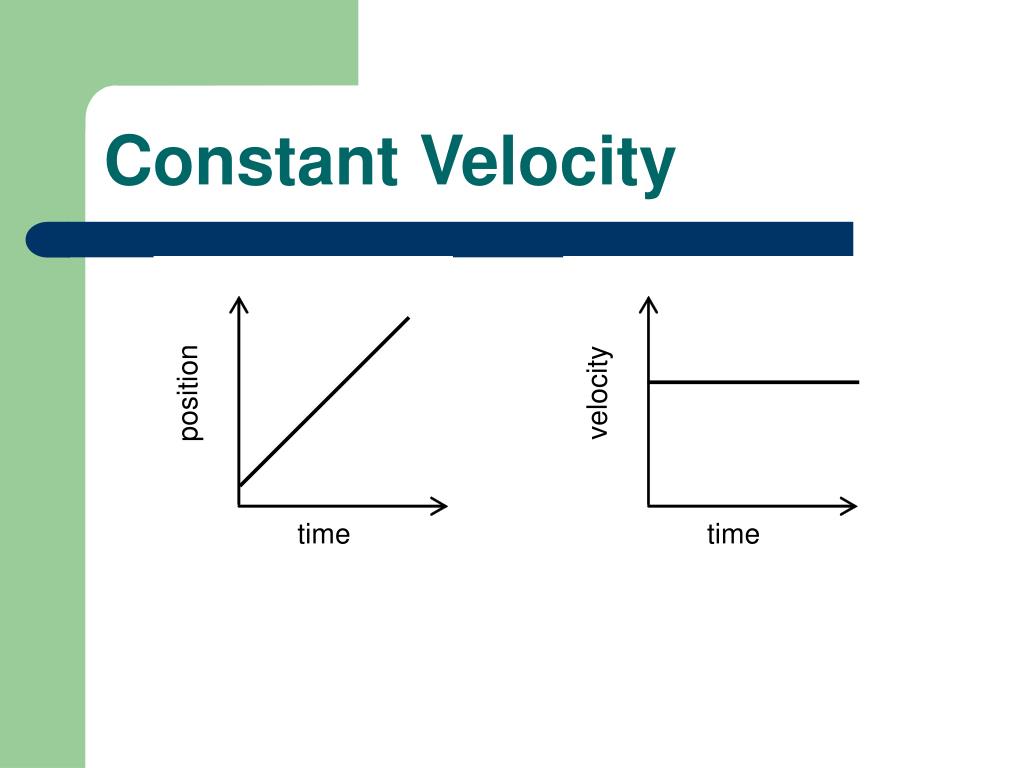
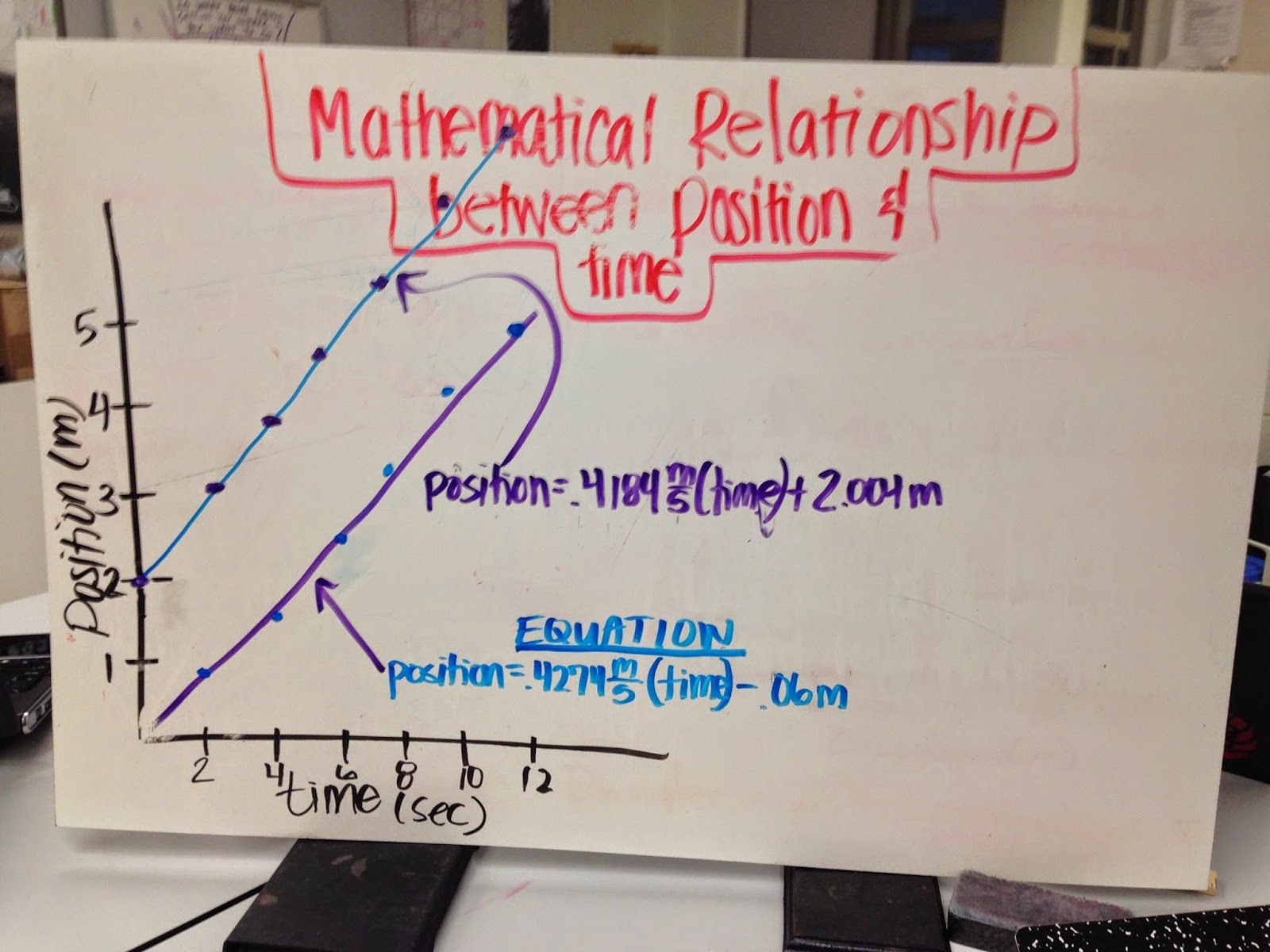
Constant Velocity Particle Model Review Sheet - Determine the average velocity of the object. Shown below is a velocity vs. Motion maps and position vs. (8.3) 10.0m f s x t m 2. Web constant velocity particle model: In such a collision, how does the size of the force exerted on the car by the truck compare with the size of the force exerted on the truck by the car? Time graph, draw a motion map with one dot for each second. Given the following position vs. Web this unit introduces students to using laboratory tools to make quantitative measurements, specifically of position and time, and many new representations available to them when making quantitative observations (e.g., data tables, motion maps, computer simulations, position vs. 60.0 10.0 8.3 6.0 0 m s m m slope s s b.
PPT Chapter 2 PowerPoint Presentation, free download ID1215504

Constant Velocity Particle Model Lab Report
Constant Velocity Killian Henson's Digital Portfolio
Question Video Finding the Acceleration of a Particle Moving with
U2 Constant Velocity Review PDF Form FormsPal
PPT OneDimensional Motion PowerPoint Presentation, free download
Huizenga Physics Unit 2 Constant Velocity Particle Model

Constant Velocity Particle Model Worksheet bryjardi 💹 Coub

Constant Velocity Particle Model in 3D Explained YouTube

SOLUTION Constant Velocity Particle Model Review Sheet Studypool
Consider The Following Position Vs.
Determine the average velocity of the object. B 33 write a mathematical model to describe the motion of the object. Draw a corresponding position vs. Write a mathematical expression to describe the motion of the object.
Time Graph For An Object.
Determine the average velocity of the object. Given the following position vs. Reference frame, position and trajectory choose origin and positive direction for a system define motion relative to frame of reference distinguish between vectorial and scalar concepts (displacement vs distance, velocity vs speed) 2. Consider a collision between a small car and a heavy truck.
Particle Moving With Constant Velocity Instructional Goals 1.
Determine the average velocity of the object. Describe the motion of the object in words: Web this unit introduces students to using laboratory tools to make quantitative measurements, specifically of position and time, and many new representations available to them when making quantitative observations (e.g., data tables, motion maps, computer simulations, position vs. Consider the following position vs.
Time Graph, Draw A Motion Map With One Dot For Each Second.
Describe the motion of the object. 60.0 10.0 8.3 6.0 0 m s m m slope s s b. (8.3) 10.0m f s x t m 2. Web 1 key constant velocity particle model: