Nmr Cheat Sheet
Nmr Cheat Sheet - Web nuclear magnetic resonance (nmr) spectroscopy. 100 0 200 100 0 400 300 200 100 0 60 mhz 100 mhz. In the previous post, we talked about the principles behind the chemical shift addressing questions like how the ppm values are calculated, why they are independent of the magnetic field strength, and what is the benefit of using a more powerful instrument. Web nuclear magnetic resonance spectroscopy (nmr) is a widely used and powerful method that takes advantage of the magnetic properties of certain nuclei. In 1h nmr, applying an external magnetic field causes the nuclei spin to flip. Web an approximate idea of the chemical shifts of the most common types of protons is helpful when interpreting 1h nmr spectra. Web a guide to 1h nmr chemical shift values. Web fundamental energy unit of nmr spectroscopy, the use of hz has the disadvantage that the position of a peak is dependent on the magnetic field strength. Nuclear magnetic resonance (nmr) is a commonly used technique for organic compound structure determination. The basic principle behind nmr is that some nuclei exist in specific nuclear spin states when exposed to an external magnetic field.

NMR Spectroscopy Summary Sheet Study Guides in 2024 Organic chemistry

IR NMR Cheat Sheets PDF

Pin on Chemistry
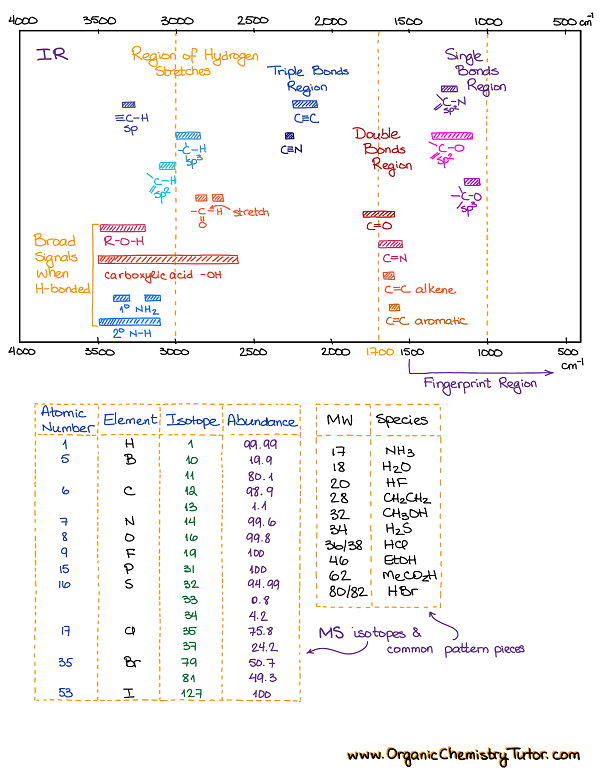
Spectroscopy Cheat Sheets — Organic Chemistry Tutor
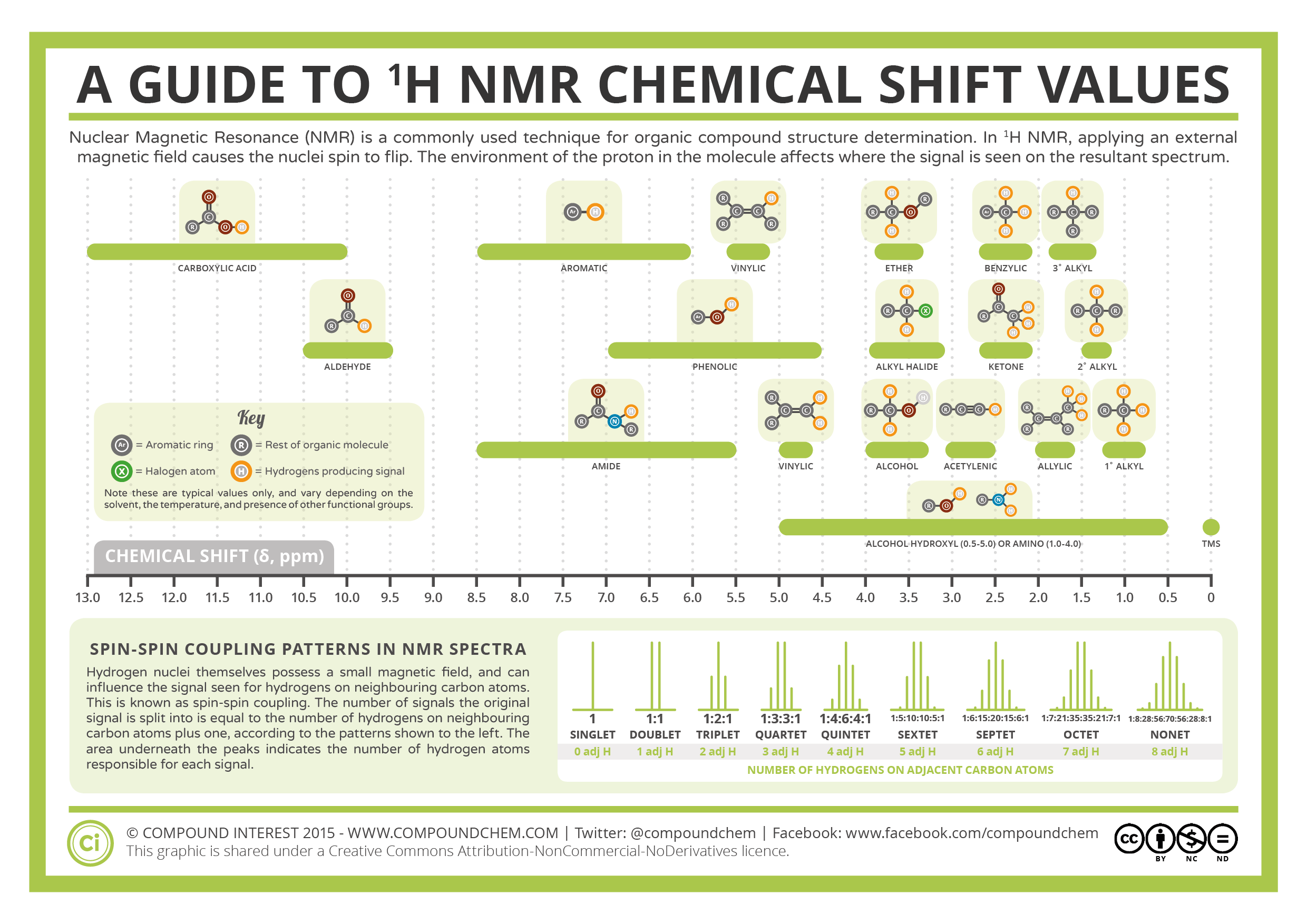
A Guide to Proton Nuclear Resonance (NMR)

Analytical Chemistry A Guide to 13C Nuclear Resonance (NMR

13C Carbon NMR Spectroscopy Chemistry Steps

NMRの基礎知識【測定・解析編】 ChemStation (ケムステ)
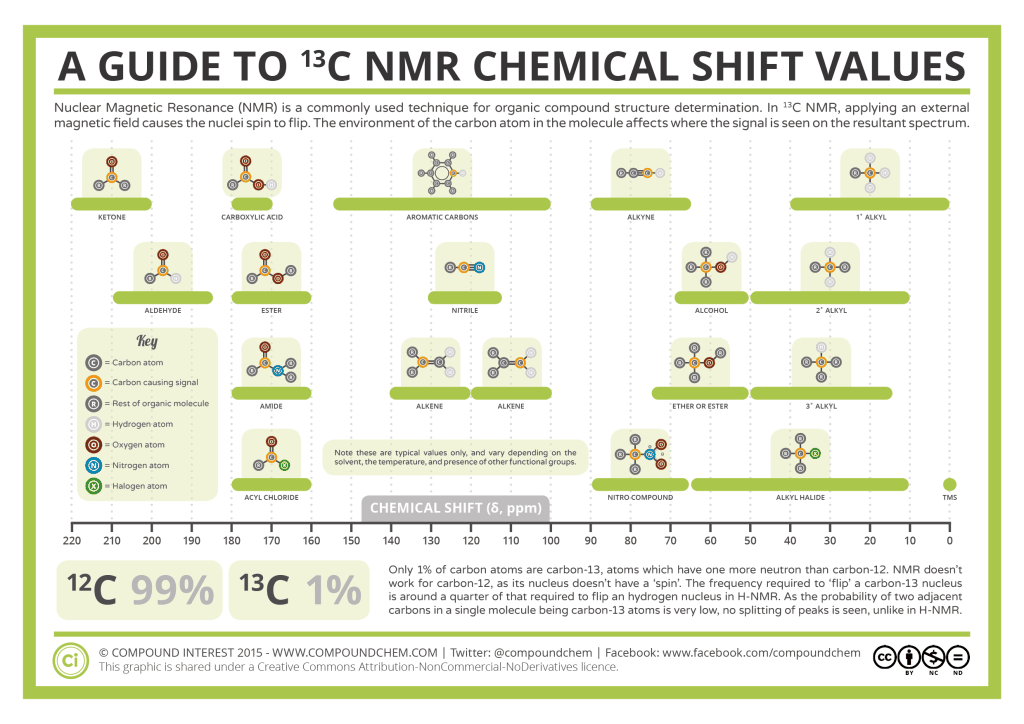
Analytical Chemistry A Guide to 13C Nuclear Resonance (NMR
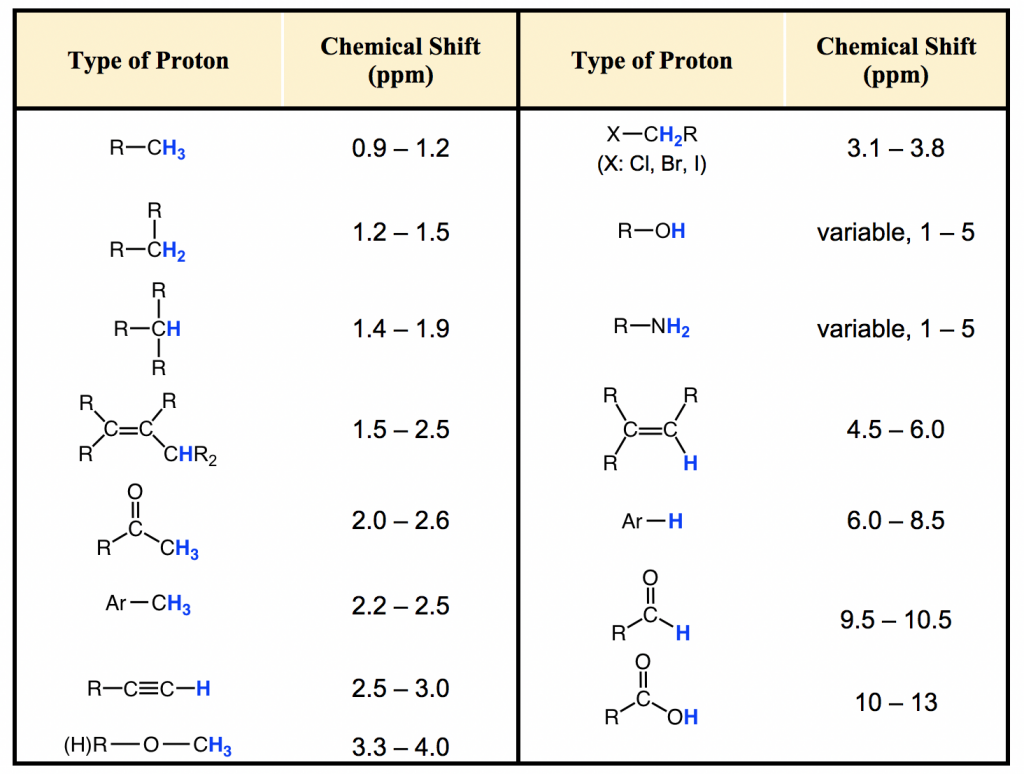
Surprising Carbon Nmr Table Photos Turtaras
Web A Guide To 1H Nmr Chemical Shift Values.
Nmr chemical shift values table. 100 0 200 100 0 400 300 200 100 0 60 mhz 100 mhz. Nuclear magnetic resonance (nmr) is a commonly used technique for organic compound structure determination. Web fundamental energy unit of nmr spectroscopy, the use of hz has the disadvantage that the position of a peak is dependent on the magnetic field strength.
Web Nuclear Magnetic Resonance Spectroscopy (Nmr) Is A Widely Used And Powerful Method That Takes Advantage Of The Magnetic Properties Of Certain Nuclei.
The environment of the proton in the molecule affects where the signal is seen on the resultant spectrum. In the previous post, we talked about the principles behind the chemical shift addressing questions like how the ppm values are calculated, why they are independent of the magnetic field strength, and what is the benefit of using a more powerful instrument. The basic principle behind nmr is that some nuclei exist in specific nuclear spin states when exposed to an external magnetic field. Web nuclear magnetic resonance (nmr) spectroscopy.
In 1H Nmr, Applying An External Magnetic Field Causes The Nuclei Spin To Flip.
Web an approximate idea of the chemical shifts of the most common types of protons is helpful when interpreting 1h nmr spectra.